New Piano Market Report: Inside the Quiet Transformation of Piano Playing
For those of us who spend our lives on the bench — whether teaching, practicing for a recital, or simply playing for the love of it – the piano has always been a singular concept: wood, felt, strings, and soul. Yet, recent global market reports reveal that the definition of our instrument is expanding and evolving in ways that affect us all.
The data in Market Research Intellect’s recent report (updated on 1 December 2025) paints a picture of a vibrant, growing world of piano playing, but one that is increasingly divided between the digital convenience of the modern age and the traditional craftsmanship we cherish.

Piano Playing Continues to Attract New Generations
The most heartening news from the market analysis is that piano playing is far from a dying art; it is, in fact, experiencing a renaissance. The global market is witnessing “sustained demand,” with over 400,000 pianos manufactured annually. This isn’t just about children taking lessons, though education remains a massive driver with 18,000 U.S. schools including piano in their curriculum. China reported a massive cohort of 30 million piano students in 2023. This isn’t just a trend for the young; we are seeing a surge in “silver learners” – retirees returning to the keys – and a general rise in amateur playing, where adults are finding solace and cognitive benefits in music.
The Rise of the Digital Instrument
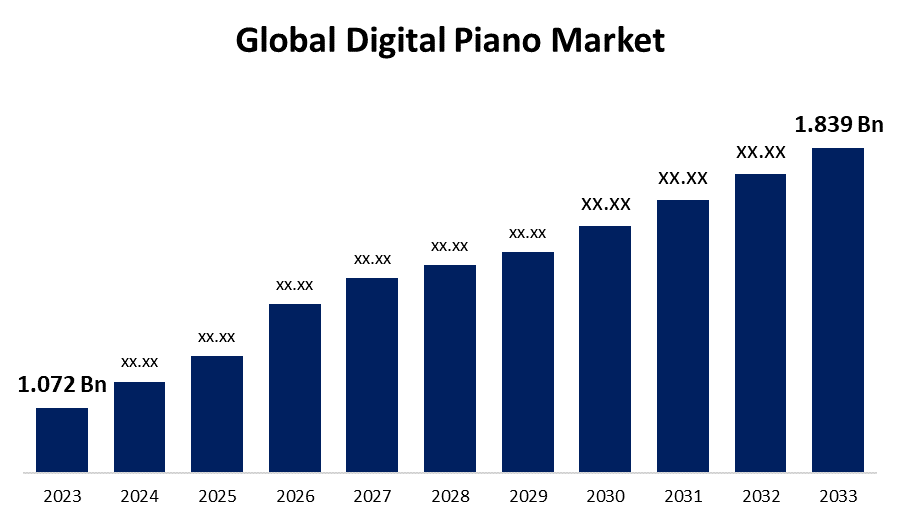 While the desire to play is universal, the instrument finding its way into homes is changing. Digital pianos now dominate the entry-level market, capturing nearly 65% of first-time buyers. The market for “Digital Pianos for Beginners” is projected to reach USD 750 million by 2031. But what is driving this massive migration to digital?
The reasons are practical and lifestyle-driven. For urban dwellers and students, the “apartment factor” is real; space is at a premium, and the ability to practice silently with headphones is often a necessity. Furthermore, affordability plays a huge role. With entry-level acoustic uprights costing thousands, the digital alternative offers a lower barrier to entry. Modern “smart” features also attract a new generation, offering built-in tutorials and connectivity that acoustic instruments do not have.
The Acoustic Reality: Costs and Craftsmanship
This digital boom correlates directly with challenges in the acoustic sector. While digital instruments absorb the beginner market, the acoustic piano faces headwinds related to the physical reality of its creation and care.
High manufacturing costs – driven by extensive manual craftsmanship and premium materials like spruce soundboards – make acoustic pianos increasingly expensive. But perhaps the most critical issue for us as players is the “maintenance gap.” The industry is facing a global shortage of skilled technicians. In Europe, the number of certified tuners dropped by 15% in just three years, leading to higher service costs and longer wait times. In Japan, maintenance costs have risen by 8%. This reality pushes many budget-conscious buyers toward digital options specifically to avoid the “hidden” costs of ownership. The shift is also physical. High overheads have led to the closure of physical piano stores, with over 20% of standalone dealers in the U.S. shutting down between 2020 and 2023. This reduction in showrooms makes it harder for customers to experience the tactile magic of an acoustic instrument before buying.
Who Buys What?
The market has effectively segmented. Digital pianos are the choice for beginners, urban hobbyists, and those needing portability. Meanwhile, the acoustic piano – particularly the grand – remains the undisputed king of the concert stage and advanced study. Conservatories, concert halls, and affluent households continue to drive the market for grand pianos, valuing their superior tonal quality and cultural status. However, the lines are blurring. “Silent” or “hybrid” pianos – traditional actions with digital sound engines – are gaining traction among serious pianists who need silent practice but refuse to compromise on touch.

The Verdict
The global piano market is not shrinking; it is diversifying. While the digital piano is bringing millions of new students to the keys – the acoustic piano retains its status as the gold standard for performance and serious study. For the classical pianist, this evolution is bittersweet. We see fewer acoustic uprights in living rooms, replaced by their digital counterparts. Yet, we must celebrate that more people are playing than ever before.
The digital revolution is democratizing access to our art form, ensuring that the love for the piano – in all its forms – continues to resonate globally.
References:
Global Piano Market Size By Product Type – verifiedmarketreports.com
Reader question:
Do you play on a digital piano, an acoustic piano, or both – and what influenced your choice of instrument?
Stay in Tune with the Piano World
Join over 70,000 piano enthusiasts and get our exclusive monthly newsletter filled with classical piano news, inspiring articles, sheet music and other resources.
It’s FREE to join, and you can unsubscribe at any time.
Comments
I’ve played on an acoustic upright my whole life, but I recently added a digital piano for late-night practice. I live in an apartment, so being able to use headphones is a game changer. I can really understand beginners also opt for the digital version but hopefully they will get an acoustic later on.
As a young pianist , I grew up on a 1905 Steinway Concert Grand . Now that I am 78 years old and
have been playing my Digital Kawai ES 8 for nearly ten years now , I do not miss that acoustic piano
one bit . Although I am quite accomplished , I can honestly say ” good riddance ” to that maintinance
burden . Like it or not , Digital is the future …. not a thing wrong with the action on that ES8 !
I will be replacing it shortly with a new ES 920 …. time to move on to a better technology !
I am a teacher and have always had an acoustic piano to play both upright and grand now.
I wouldn’t change as the grand has a greater sound and quality.
I prefer the acoustic piano. The. Acoustic piano provides a robust and richer sound.
Unfortunately , Land Fills in the U.S. are filled with acoustic pianos that can no longer be sold ,due to the
fact that they are now all most impossible to re-sell , along with very difficult to move !
The fact is , they are a money pit …. their time has passed !